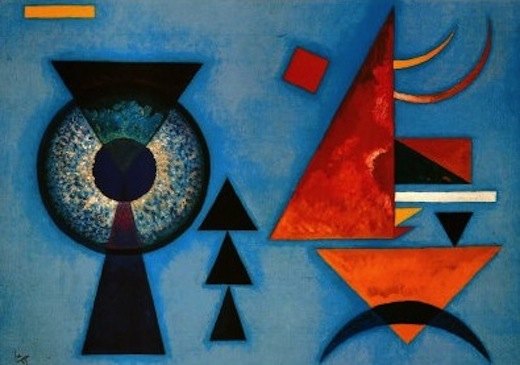
"A line is a dot that went for a walk." — Paul Klee
Sometimes something simple is better than something complicated. The line is one of the most fundamental elements of design — and yet its power is endlessly versatile. From the delicate contour of a figure to the bold stroke of a typeface, lines define, separate, guide, and express.
Lines in Fine Art History
Leonardo da Vinci used line with extraordinary precision to capture human anatomy and movement. His studies show an obsessive attention to contour — how a single flowing line could suggest volume, weight and life.
Albrecht Dürer brought a northern European mastery of line engraving that rivals painting in its tonal range. His crosshatching techniques transformed the simple mark into light and shadow.
Pablo Picasso famously reduced the complexity of subjects to their essential lines. His bull drawings — a series of lithographs reducing the animal step by step to a handful of marks — demonstrate that fewer, more intentional lines often communicate more powerfully than many.
Lines in Graphic Design
In graphic design, lines serve many roles: they create structure, establish hierarchy, direct the viewer's eye, and add visual rhythm to a composition. A thick horizontal rule commands attention and separates content. A thin hairline adds elegance without weight. Diagonal lines suggest movement and energy; curved lines feel organic and soft.
Contemporary illustrators like Aaron Earley have built entire visual languages from line alone — intricate, meditative compositions of repeating marks that reward slow observation.
Using Lines Intentionally
The key is intentionality. Every line in a design should earn its place — guiding the eye, creating rhythm, or building structure. Ask yourself: does this line serve the communication? Does it direct, separate, or decorate with purpose? A line used carelessly adds noise; a line used well adds meaning.